
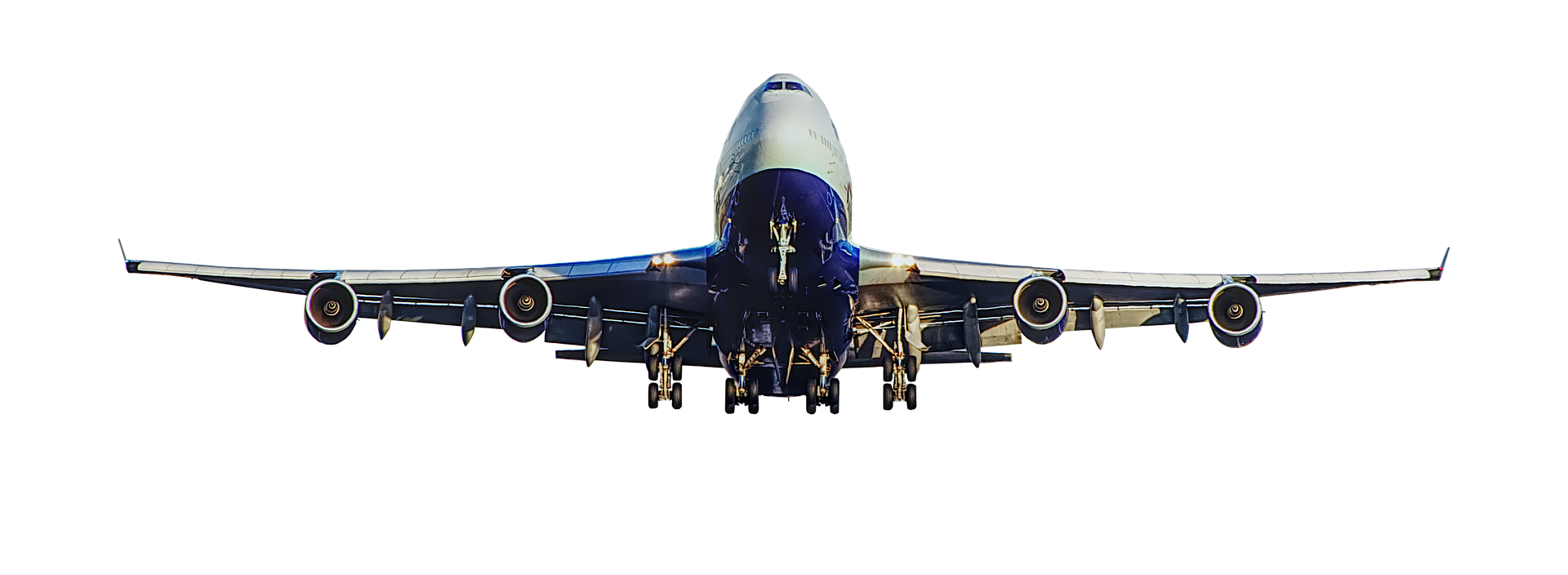
FLYING TO THE PHILIPPINES
The usual way of flying to the Philippines to the Philippines from the UK is to fly into Manila from either London (Heathrow or Gatwick) or from Manchester.
There is no longer a direct flight from the UK to Manila or Cebu. Direct flights did not survive the pandemic. The direct flights in any event were expensive, so I would normally take an indirect service.
Indirect flights will usually stop in the Middle East, often Qatar or Abu Dhabi, or at Istanbul. I would aim for a flight time of about 18 to 20 hours. A slightly cheaper flight is on one of the budget Chinese flights. This might involve a long flight to a Chinese airport and then a comparatively short flight to the Philippines. Apart from the possible savings, another reason for flying to the Philippines with an indirect flight might be to bypass Manila and fly direct to one of the other international airports such as at Cebu.
Review of flights with Royal Brunei
https://www.anthonystravels.com/royal-brunei-flights-a-good-value-for-money-service/
There is a new direct flight from Paris to Manila which seems well priced, but I have yet to try it.
Internal flights
Internally, the Philippines is well served with many flights and at reasonable cost, particularly if you book at least a month in advance. The most frequently used carriers are Philippines Airways, Cebu Pacific, and Air Asia. Most destinations tend to be served through Manila or Cebu, so it pays to take care when planning multi destination stops. Also care should be taken with baggage allowances, as paying at the airport is expensive. International limits are usually 23kg, but the local limit tends to be 2okg. On local flights there may be a departure tax and also an insurance premium cost added onto the cost.
It seems to work
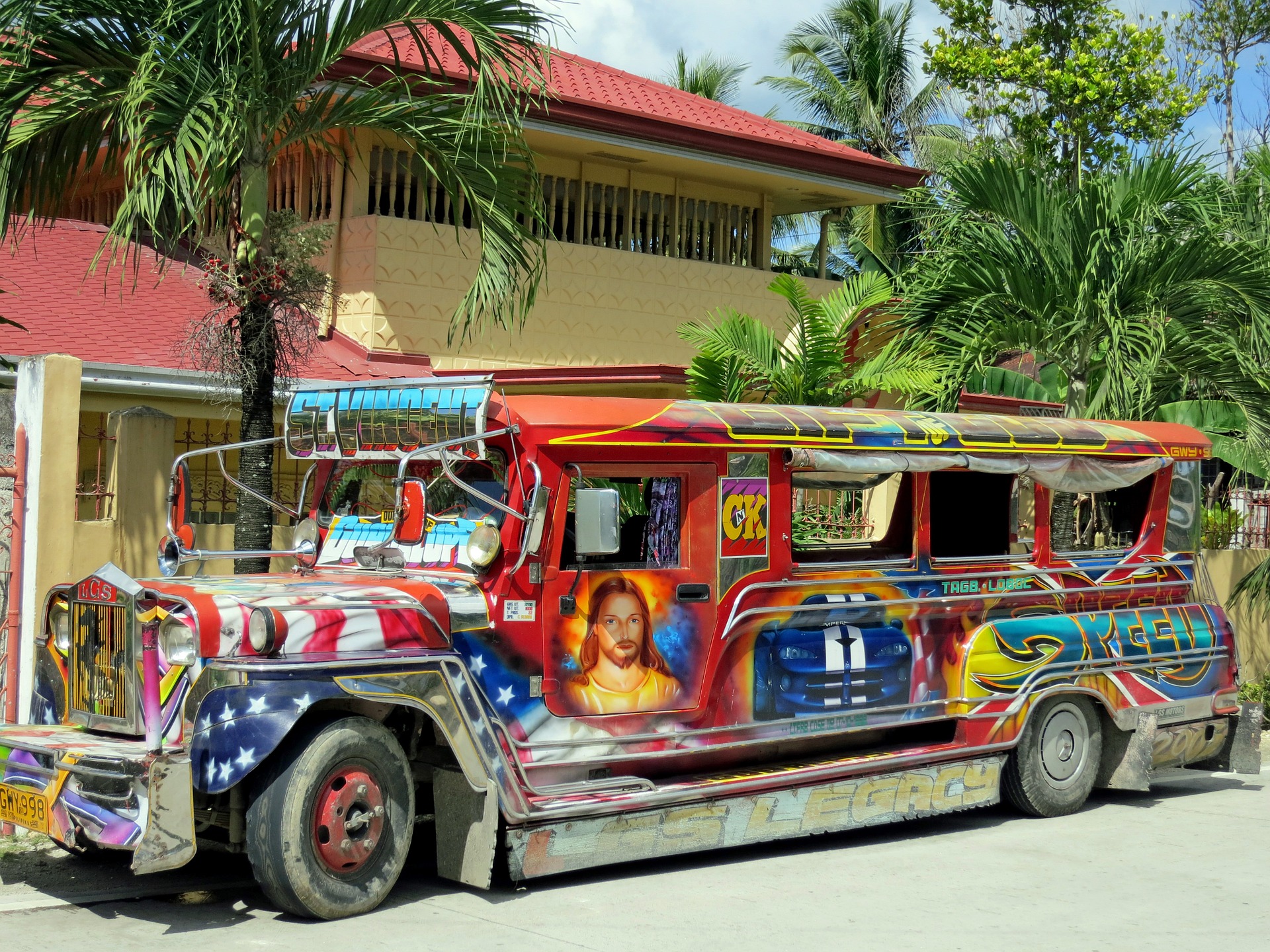
Visas
Visitors from the UK do not need a visa if staying for less than 30 days. If staying for longer, you can obtain a tourist visa for 59 days from the Embassy before departure, and it can be further extended in the Philippines from the Bureau of Immigration. As in most countries, overstaying is a serious matter and can lead to heavy fines and detention.
It is no longer necessary to have passport validity beyond the time of your stay, but obviously career should be taken if you think you are likely to apply to extend your tourist visa
You do, however, have to download an app from the Philippines government (available on the App Store or Google Play, eGov.Ph, and complete a customs declaration.
Safety in the Philippines
There is certainly violent crime, but this is usually directed at nationals rather than British tourists. Sensible precautions will mean that you should not be caught up in the crossfire.
Security and terrorism
Sadly nowhere is exempt from the possibility of terrorism, and the Philippines has had recent difficulties with Islamic terrorist groups, particularly in the Mindanao area.
Please consult the Foreign Office website for updated advice